September 1, 2026
Potholes represent one of the most widespread hazards on modern roads, creating severe challenges for drivers. Formed when moisture seeps beneath asphalt and undergoes repeated freezing and thawing cycles, these road fractures weaken the foundation of highways and city streets. As vehicles travel over these compromised areas, the pavement breaks apart, forming deep depressions that catch tires off guard. Hitting a pothole inflicts immediate mechanical stress on a vehicle, transferring forceful shocks throughout the chassis.
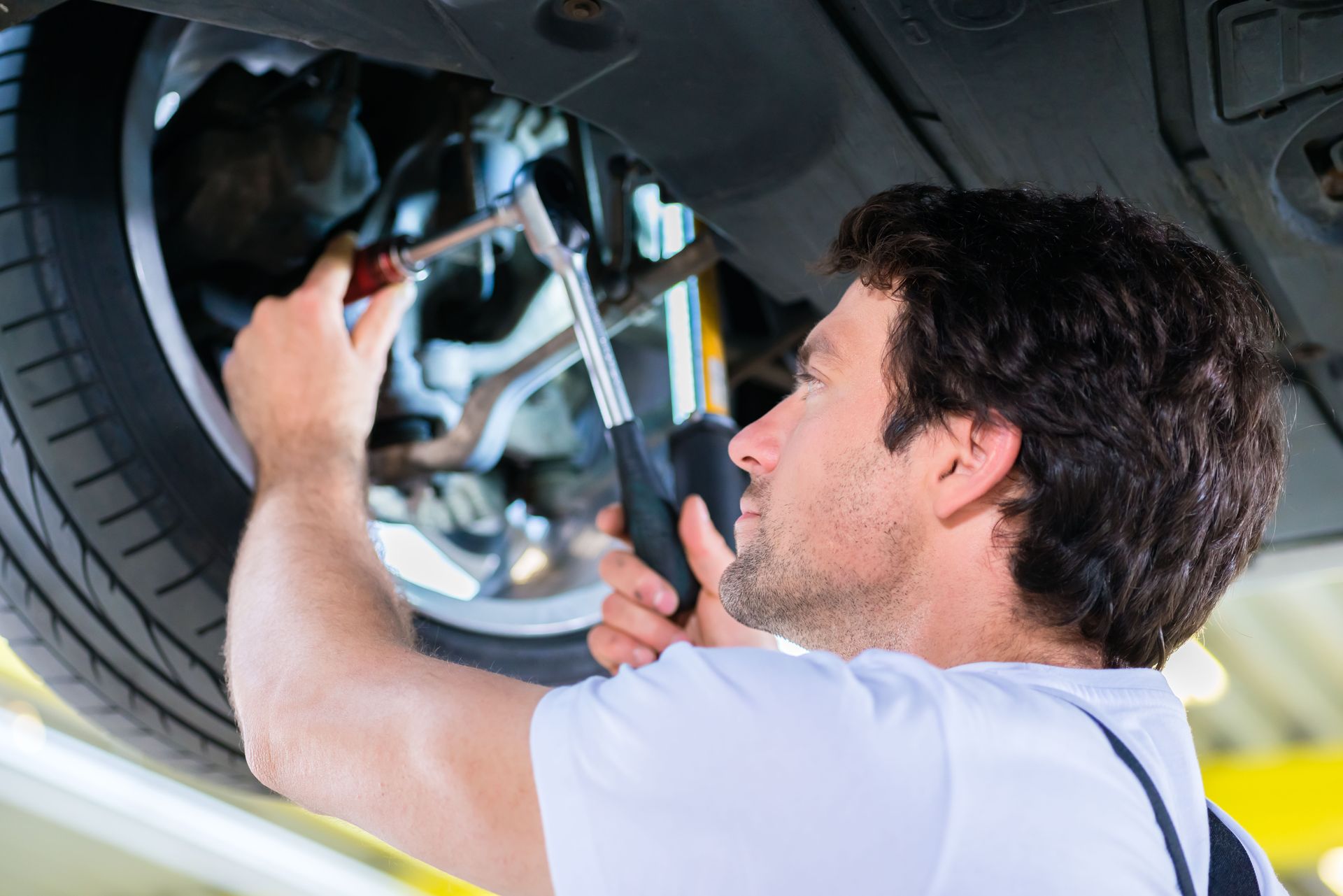
Ignoring damage caused by severe road impacts can lead to cascading mechanical failures across multiple vehicle systems. Suspension components absorb the brunt of uneven road surfaces, keeping tires connected to the pavement and protecting passengers from severe jostling. Operating on damaged suspension components creates dangerous handling conditions and compromises braking response. Scheduling an auto shock replacement at the first sign of trouble preserves vehicle integrity, prevents costly secondary repairs, and keeps drivers safe on unpredictable roads.
Understand the Dynamics of Suspension Systems
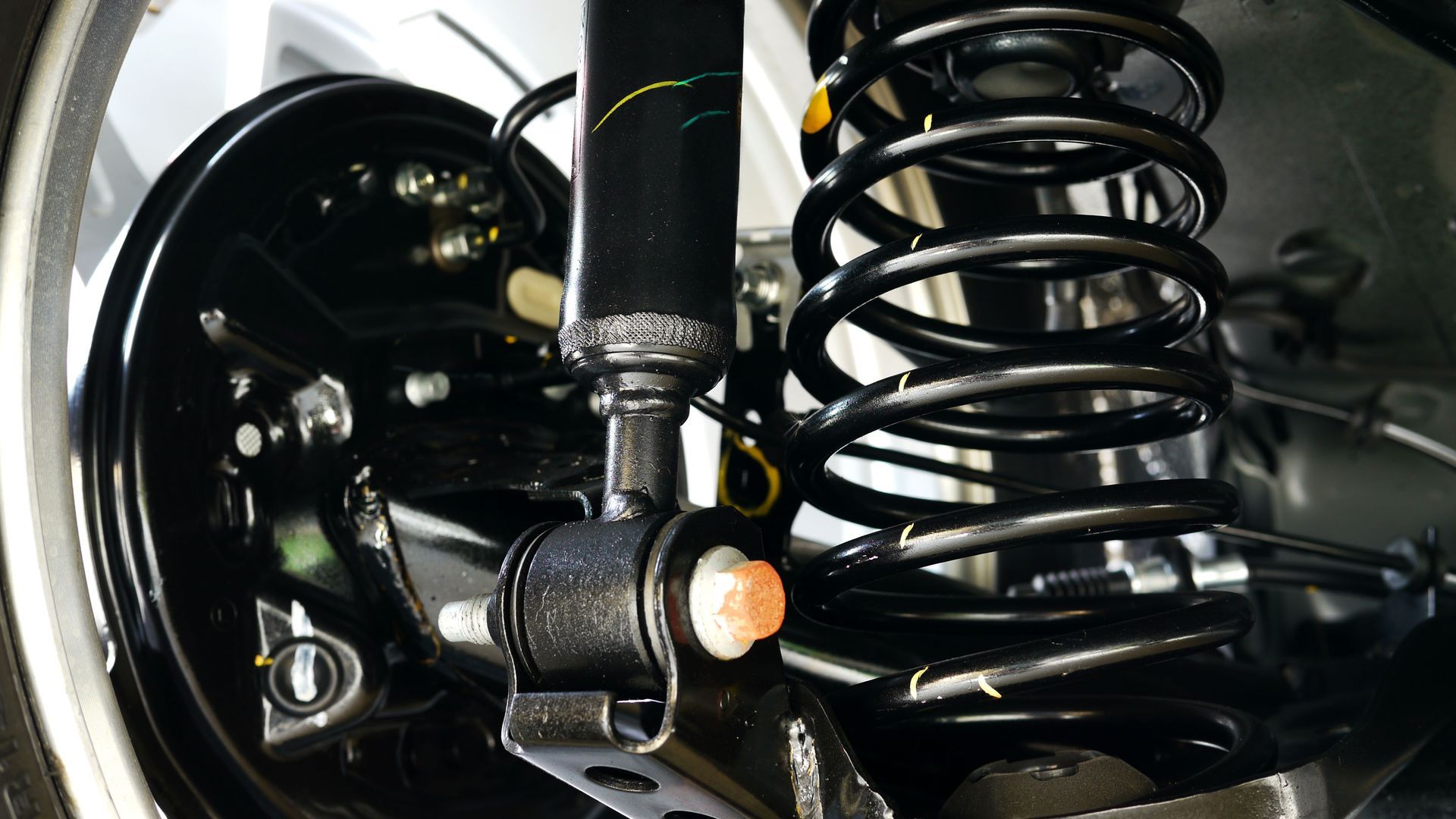
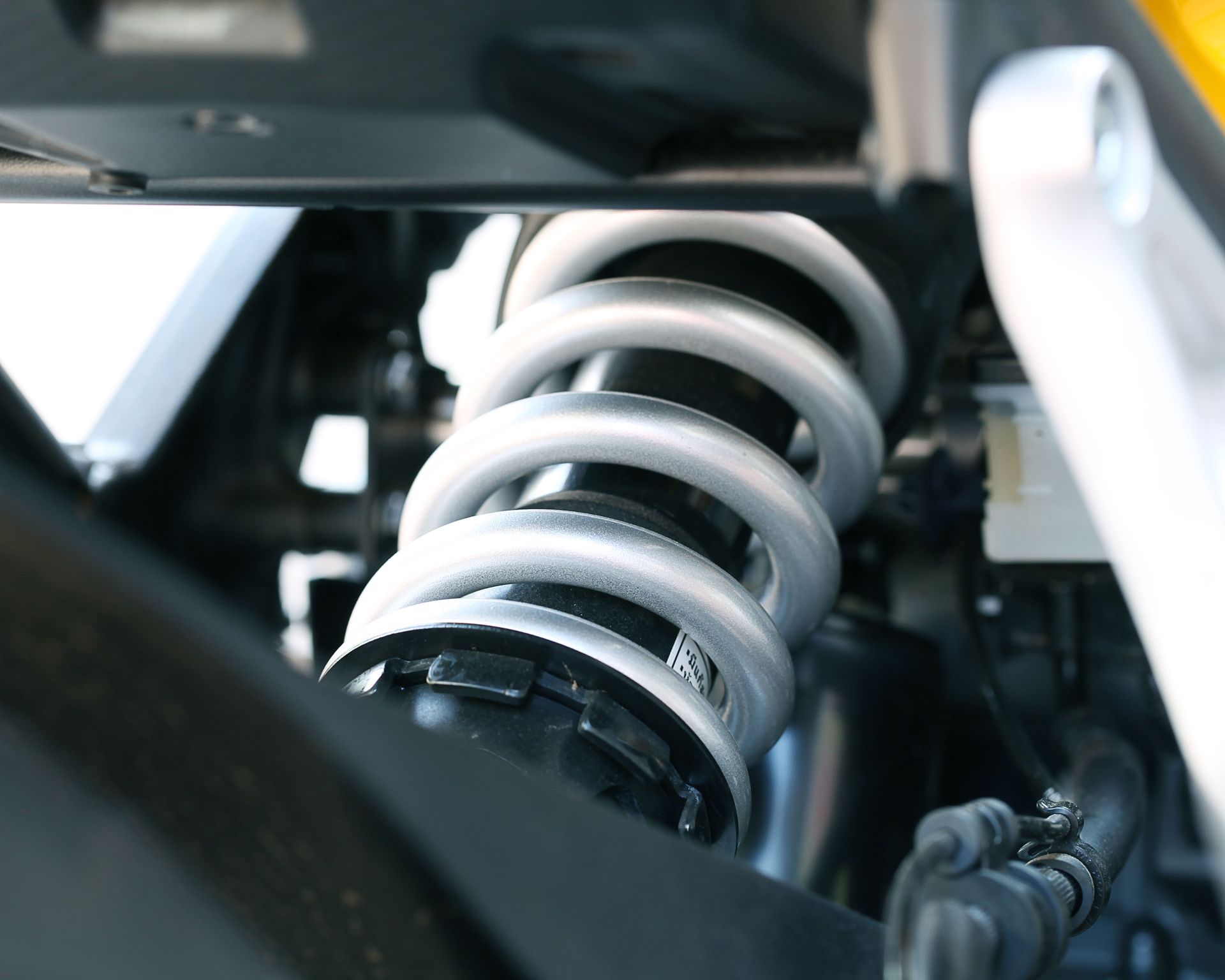
The suspension system maintains the dynamic connection between the chassis and the road surface by balancing vehicle weight, absorbing road irregularities, and stabilizing handling during turns. Primary elements like springs support structural loads, while dampening devices control spring movement. Linkages and control arms hold wheel assemblies in alignment, allowing for smooth steering response and predictable tire traction across varying road conditions. When shocks function correctly, they dissipate kinetic energy transferred from uneven pavement, maintaining passenger comfort and control.
Continuous exposure to harsh bumps accelerates internal wear on dampening fluids and seals, causing the suspension to lose its ability to control vehicle motion. As these components degrade, excessive bouncing and swaying occur, increasing stopping distances and compromising cornering stability. When tires lose continuous contact with pavement due to worn dampeners, anti-lock braking systems lose efficacy, raising the likelihood of skidding in emergencies. Vehicle owners who delay an auto shock replacement risk damaging adjacent steering parts and accelerating tread wear on expensive tires.
Examine How Potholes Form on Roads
Understanding how potholes develop helps illustrate why road hazards present a consistent threat to vehicle stability. Water enters small cracks in pavement, settling in the soil base beneath the road surface. Cold temperatures cause trapped water to freeze and expand, forcing asphalt upward and creating underground cavities. Warmer weather thaws the ice, leaving unsupported pavement shells that crumble under passing traffic. Heavy traffic accelerates this degradation process, turning small pavement cracks into deep craters that continuously hammer vehicle undercarriages.
Rough terrain and harsh road conditions affect standard highway commuters and specialized off-road vehicles alike. According to Global Market Insights, utility task vehicles represented approximately 50% of the market for off-road shock absorbers in 2023, reflecting strong consumer demand for durable dampening systems capable of handling severe terrain. Whether navigating unpaved trails or cratered city streets, robust dampeners are vital for vehicle survival. Investing in a timely auto shock replacement ensures vehicles maintain the resilience required for unpredictable driving environments.
Identify the Immediate Impact on Vehicles
Hitting a pothole creates instant mechanical shocks that can severely damage wheel assemblies and tires. Sudden hard impacts pinch tire sidewalls against metal rims, causing immediate air loss, internal belt separation, or dangerous blowouts. Steel and alloy wheels frequently bend or crack under intense vertical force, disrupting tire bead seals and causing chronic air leaks. Beyond visible tire damage, hard road impacts disrupt wheel alignment angles and steering geometry, forcing tires to drag across the road surface at improper angles.
Severe impacts also inflict sharp force directly onto internal dampening assemblies, bending piston rods or blowing out fluid seals. Sudden pressure spikes within shock cylinders ruin internal valving, rendering the dampening mechanism useless and causing a pulling sensation to one side. When structural internal failure occurs, an auto shock replacement becomes necessary to restore dampening capabilities and stabilize the vehicle structure. Ignoring these immediate warning signs leads to severe handling degradation and increased fuel consumption over subsequent driving miles.
Recognize the Degradation of Essential Components
Repeated encounters with rough road surfaces cause progressive degradation across all suspension components. Over time, metal coil springs lose tension, leading to sagging ride heights and reduced suspension travel. Bushings made of rubber or polyurethane crack, harden, and deteriorate under continuous flex, allowing excessive play in suspension arms. Shock absorbers suffer continuous internal attrition as hydraulic fluid breaks down and valving seals wear thin, gradually diminishing the system's overall dampening performance.
As hydraulic fluid leaks past worn piston seals, the vehicle loses control over spring motion, causing persistent bouncing and swaying over minor surface bumps. Long-term operation with worn suspension parts creates severe safety risks by increasing vehicle body roll during sharp turns and prolonging stopping distances. Performing a necessary auto shock replacement restores fluid control, protects connected suspension linkages from excessive vibration, and preserves overall vehicle stability.
Spot the Early Signs of Damage
Drivers can identify suspension problems early by remaining attentive to key visual and sensory indicators. Excessive vehicle bouncing after hitting bumps or dipping deeply while stopping indicates severely worn dampening components. Unusual noises such as clunking, squeaking, or knocking over rough roads signal loose control arms or failing shock mounts. Cupped tire wear patterns also provide clear visual evidence that tires are bouncing along the road rather than maintaining firm contact.
A simple bounce test offers a quick preliminary assessment of dampening health. Pressing down firmly on a vehicle corner and releasing it quickly should result in a swift return to rest without excessive oscillations. If the vehicle continues to bounce uncontrollably, internal dampeners have failed and require professional attention. Arranging a professional auto shock replacement resolves fluid leaks, eliminates mechanical noise, and restores firm body dampening immediately.
Adopt Effective Strategies for Road Safety
Drivers can minimize pothole damage by practicing defensive driving techniques on poorly maintained roads. Maintaining adequate following distance behind preceding vehicles provides ample vision and reaction time to spot asphalt hazards. Reducing vehicle speed before reaching a pothole lowers the kinetic energy of impact, softening the force transferred into vehicle components. Drivers should avoid harsh braking directly inside a pothole, as locked tires experience maximum impact forces, while proper inflation provides a protective air cushion.
Routine vehicle inspections ensure that subtle mechanical degradation is detected before causing major failures on the road. Professional mechanics assess bushing wear, spring tension, and dampener integrity during scheduled vehicle servicing to identify emerging mechanical defects. When inspection reveals worn dampeners, completing a scheduled auto shock replacement keeps vehicle handling precise and predictable. Proactive maintenance protects long-term vehicle value while maximizing driver safety.
Potholes pose a continuous threat to vehicle safety, comfort, and longevity by inflicting severe structural strain on suspension systems. Timely identification of dampener wear and prompt repairs prevent catastrophic mechanical failures and expensive secondary damage. Regular professional inspections safeguard critical safety features, ensuring predictable braking and stable handling across all road conditions. Taking proactive measures against road hazards preserves vehicle performance and ensures peace of mind for every journey.
Maintaining a healthy suspension system requires vigilance, expert inspection, and quality service when components reach their operational limits. When road hazards take a toll on your vehicle's ride stability, schedule an auto shock replacement with our expert technicians at Elite Shock Services, Inc to ensure your vehicle remains safe and smooth on every road.