December 8, 2025
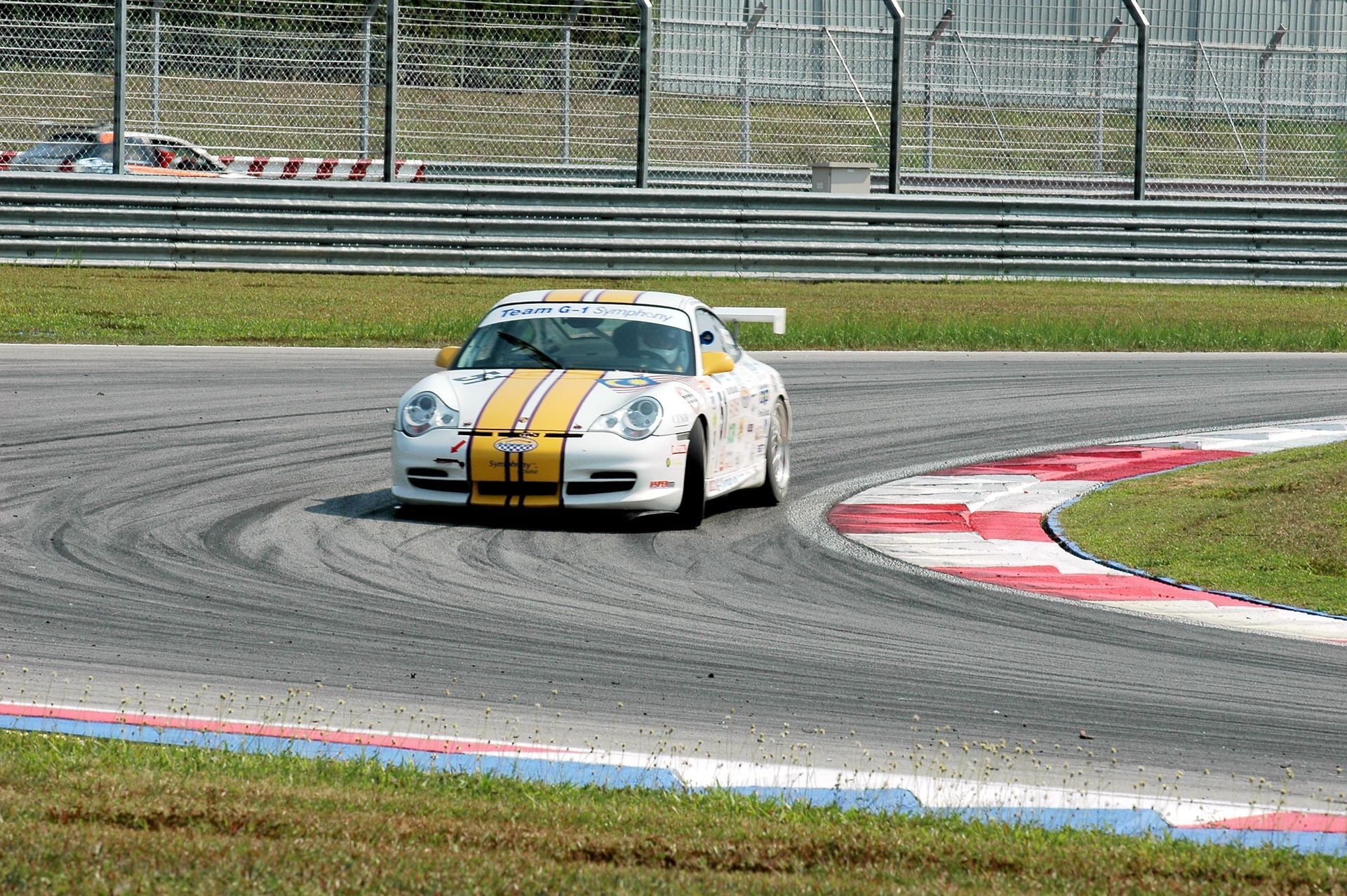
Racing demands precision, power, and balance—qualities that depend heavily on a vehicle’s suspension system. Among the key components that ensure smooth handling and consistent performance are the shock absorbers. Choosing the right auto shock replacement for competitive racing isn’t just about comfort; it’s about maintaining stability, maximizing tire contact, and ensuring driver control under extreme conditions. From professional track racers to weekend dirt-track competitors, the decision can significantly influence lap times, cornering ability, and overall vehicle dynamics. According to Nascar.com, over 1,200 oval tracks operate throughout the United States, hosting a range of events from NASCAR-sanctioned races to local dirt-track competitions each weekend. With so many forms of racing requiring specialized setups, selecting the proper shocks can be a defining factor between victory and mediocrity.
Understanding the Role of Shocks in Competitive Racing
Shock absorbers are vital in managing how a vehicle responds to road conditions, acceleration, braking, and cornering. In competitive racing, shocks play an even greater role, as they influence how efficiently the tires stay in contact with the surface. A quality auto shock replacement ensures that suspension movement is controlled without sacrificing responsiveness. When shocks wear out, drivers may notice increased body roll, poor traction, and unpredictable handling—issues that can be disastrous on the track.
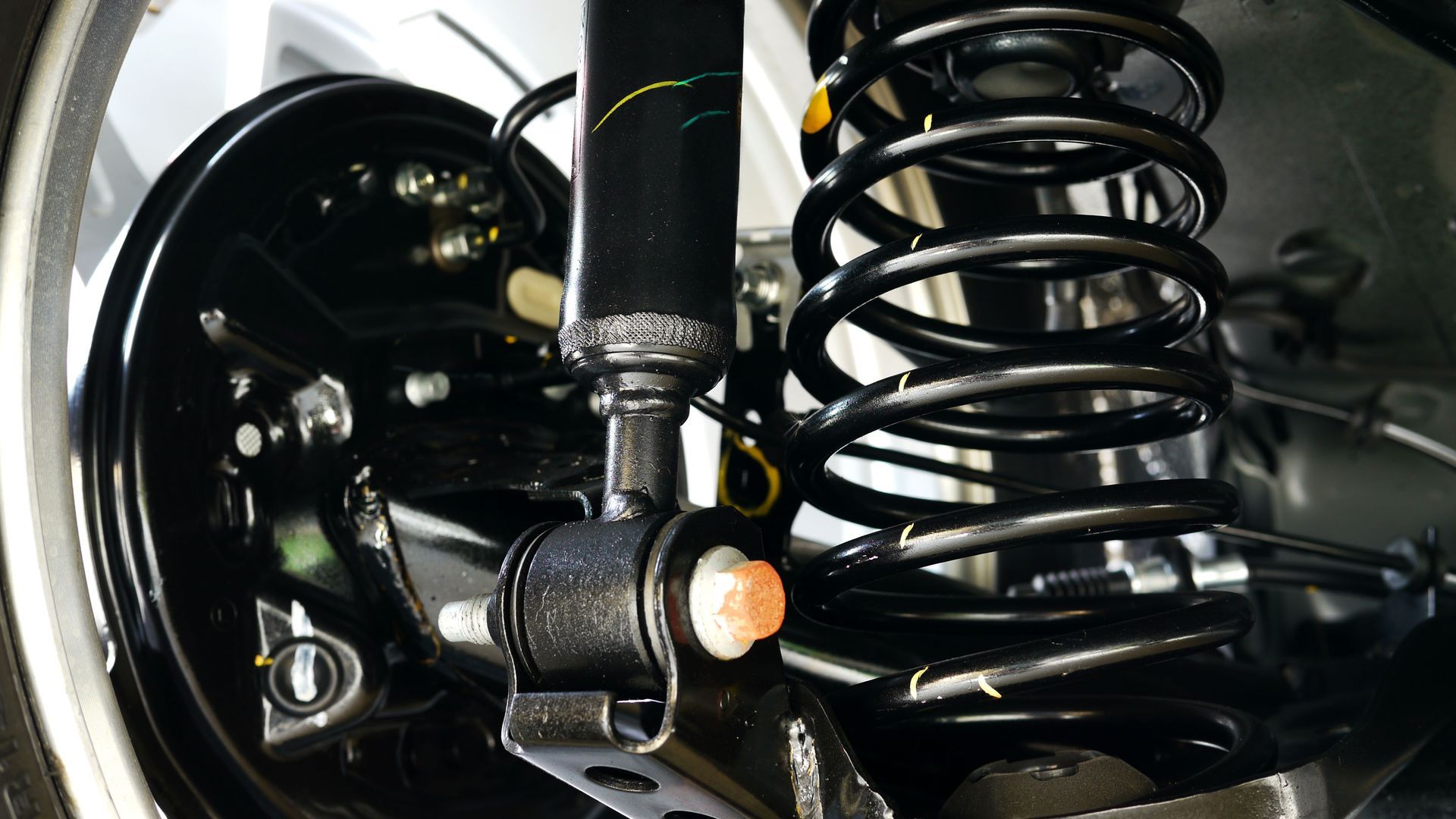
Different types of shocks—such as monotube, twin-tube, and adjustable variants—offer varying degrees of performance tuning. Monotube shocks, for instance, are known for their superior heat dissipation and consistent damping, making them a top choice for high-performance and endurance racing. Twin-tube designs, while more affordable, often cater to lighter racing conditions or entry-level setups. Racers must also consider factors like nitrogen gas pressure, piston design, and valving customization when selecting a replacement. Each of these details affects how the car behaves in high-speed turns, over bumps, or when transitioning between straights and curves.
Customizing Shocks for Maximum Performance
Every racing discipline presents unique demands on a vehicle’s suspension. Asphalt oval racing requires precise tuning to handle the high G-forces and lateral loads sustained through long corners, while off-road or dirt-track racing emphasizes shocks that can absorb continuous impacts without overheating. A carefully chosen auto shock replacement should match not only the type of racing but also the track surface, vehicle weight, and driving style.
For example, circuit and road course racers typically rely on coil-over shock systems that allow fine adjustments to damping and spring rates. These systems enable tuning the vehicle’s balance for both high-speed stability and quick corner exits. On the other hand, rally and dirt racers benefit from long-travel shocks designed to absorb aggressive terrain variations without losing control. Adjustable shocks are particularly valuable in competitive settings, as they allow drivers and engineers to tailor compression and rebound rates to specific race conditions. High-quality options often feature external reservoirs that improve cooling efficiency and maintain consistent performance through an entire event.
Professional installation and setup are equally important. Even the best shocks will underperform if improperly tuned or mismatched with the rest of the suspension system. This is where consulting with experts in suspension tuning and vehicle setup becomes essential. Businesses that specialize in custom shock builds and suspension systems for motorsports vehicles can ensure that every adjustment aligns with race-day performance goals.
Preparing for Proper Installation and Setup
For serious competitors, off-the-shelf shock absorbers rarely meet the demands of racing. Custom-built shocks and suspension systems provide a higher degree of control and can be tailored to fit specific vehicle configurations. A performance-focused auto shock replacement can include modifications such as revalving, upgraded seals, and advanced piston technologies that reduce friction and enhance responsiveness. Many racers also upgrade to lightweight aluminum or carbon-fiber components that reduce unsprung mass, improving overall handling.
Modern advancements in suspension technology have introduced adjustable shocks with separate compression and rebound circuits, enabling fine-tuning based on data gathered from test laps. This level of customization allows racers to adapt quickly to changing conditions, such as track temperature or tire wear. Shock rebuilds are another crucial element of competitive racing, as even top-tier shocks degrade over time due to extreme heat and repeated stress. Regular rebuilding ensures consistent damping characteristics and prevents mid-race failures.
Professional services offering suspension consulting and tuning can evaluate data logs, corner weights, and vehicle geometry to recommend optimal setups. Such services not only improve handling but also extend the life of the suspension system. For instance, fine-tuning spring rates and adjusting ride height can optimize weight transfer during acceleration and braking, which directly impacts performance on the track.
Maintaining Shocks for Long-Term Performance
Before committing to an auto shock replacement, racers should assess several key factors to ensure compatibility and maximum benefit. The first consideration is material quality. Shocks made from high-grade aluminum or steel alloys offer better durability and resistance to corrosion, both of which are critical for racing environments. The second is damping capability—how effectively the shock can control motion under load. This is often determined by internal valve design and gas pressure balance.
Racers must also evaluate how the new shocks integrate with existing suspension geometry. Mismatched components can create uneven tire wear, unpredictable steering, or even mechanical failure during a race. Proper setup involves checking alignment, corner balancing, and ensuring consistent preload across all four corners of the vehicle. Weight distribution and chassis stiffness also play roles in determining the right shock absorber specifications.
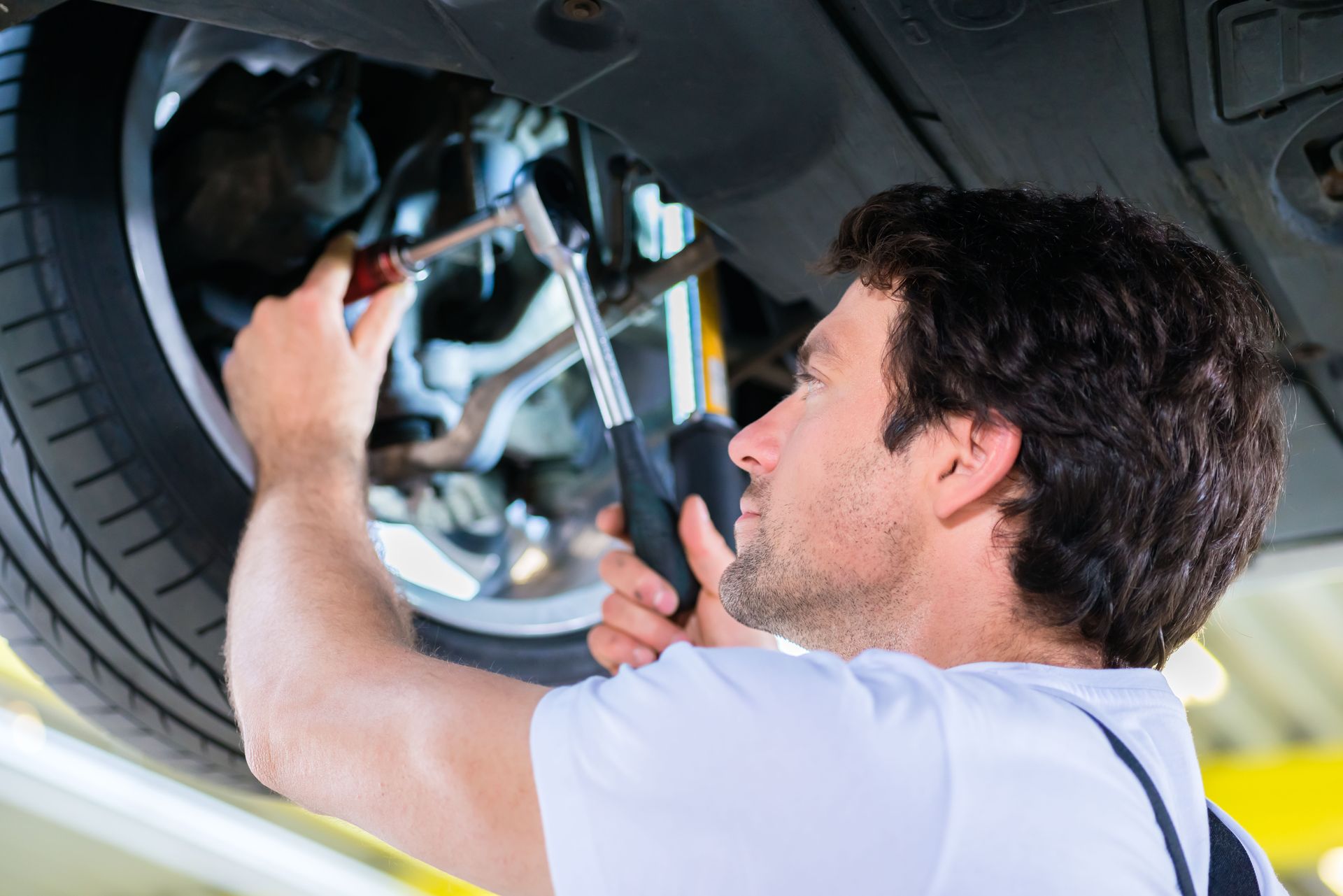
Professional installation is highly recommended, as technicians can precisely torque mounts, verify clearances, and test damping response using specialized tools. Businesses that provide vehicle setup services—including geometry alignment and spring rate optimization—help guarantee that every shock performs within intended parameters. These details can translate directly into improved lap times and overall driver confidence.
Maintaining Performance Through Regular Service
Even after the correct auto shock replacement has been installed, ongoing maintenance remains critical. Racing shocks endure extreme thermal and mechanical stress, which can lead to fluid degradation, seal wear, or gas pressure loss over time. Regular inspections and service intervals help identify early signs of performance decline before they affect race-day outcomes.
Rebuilding shocks periodically restores their damping performance and extends their operational lifespan. Racers who compete regularly should schedule service after every few events or as recommended by the manufacturer. Consistent maintenance also offers opportunities for incremental tuning—minor adjustments that refine how the car behaves under specific track conditions. By working with experienced technicians who specialize in shock rebuilds and performance upgrades, racers can maintain peak performance season after season.
Racers should monitor data such as suspension travel, tire temperatures, and shock shaft velocity to detect irregularities. Modern telemetry systems can provide detailed insights into how shocks perform during different phases of a race, helping identify areas for improvement. This data-driven approach ensures that the suspension remains in harmony with the car’s powertrain, tires, and aerodynamic setup.
Achieving Optimal Results Through Expert Suspension Management
Choosing the right auto shock replacement for competitive racing is both a science and an art. It requires a thorough understanding of suspension dynamics, precise tuning, and an appreciation for how each component affects the car’s overall behavior. From high-speed asphalt circuits to rugged dirt tracks, every racing environment demands a unique approach to shock selection and setup. Factors such as damping control, adjustability, and heat management can make the difference between consistent podium finishes and constant struggle.
Racers who invest in professional suspension consulting, custom shock builds, and vehicle setup services gain an advantage that goes beyond parts—they gain consistency, control, and confidence. Regular rebuilds and data-driven maintenance keep performance reliable and predictable. With the right expertise and attention to detail, drivers can extract every ounce of performance from their vehicles and turn competitive aspirations into winning results. Call Elite Shock Services, Inc today to schedule your suspension or equipment service.